
Your 3-Week-Old Kitten: Tiny Paws, First Steps!
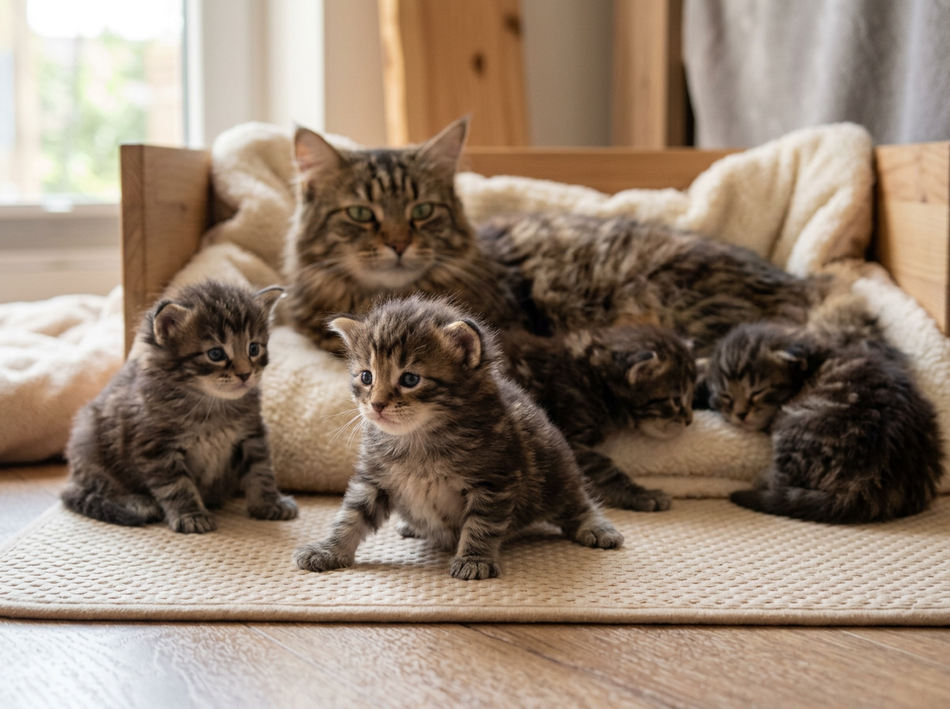
Your 3-Week-Old Kitten: First Wobbly Steps, Sharper Senses & Early Exploration
Your kitten's third week of life is an exciting stage of early growth and development. After spending the first two weeks almost entirely dependent on nursing, sleeping, and staying close to their mother, your kitten is now beginning to become more aware of the world around them.
During Week 3, kittens may start taking their first unsteady steps, responding more noticeably to sounds, exploring their immediate surroundings, and interacting more actively with their littermates.
Their eyes are usually open by this stage, hearing continues improving, and developing muscles allow them to lift their bodies and attempt to stand.
Although these changes mark an important transition, a 3-week-old kitten is still very young and requires close care, appropriate nutrition, warmth, hygiene, and supervision.
At this age, kittens are not yet ready to become independent. Mother's milk or suitable kitten milk replacer remains their primary source of nutrition, and most kittens still need assistance with toileting.
Understanding the milestones of Week 3 can help you support healthy development, recognise normal behaviour, and identify warning signs that require veterinary attention.
This guide explains everything you need to know about caring for a 3-week-old kitten, including physical development, feeding, sleep, movement, early socialisation, hygiene, safety, and veterinary care.
This Week at a Glance
Age: 15–21 days
Development stage: Late neonatal to early transitional development
Main needs: Mother's milk, warmth, sleep, hygiene, gentle handling, and close monitoring
Movement: Early standing attempts, stronger crawling, and first unsteady steps
Senses: Eyes generally open, vision improving, and hearing becoming more functional
Feeding: Mother's milk or suitable commercial kitten milk replacer
Sleep: Most of the day, with gradually increasing periods of wakefulness
Care priority: Support healthy growth, monitor feeding and weight gain, provide a safe environment, and encourage gentle early interaction
During Week 3, your kitten is beginning the transition from a largely inactive newborn into a more curious and mobile young kitten.
Growth & Development
A 3-week-old kitten is undergoing important physical and neurological changes.
Their muscles are becoming stronger, their senses are improving, and their movements are gradually becoming more coordinated.
However, developmental progress varies between kittens, even within the same litter.
Eyes and Vision
By Week 3, most kittens have opened their eyes.
However, their vision is still developing, and they cannot yet see with the clarity of an adult cat.
During this stage, you may notice:
-
Eyes remaining open for longer periods
-
Increased awareness of nearby movement
-
Turning toward visible objects
-
Following movement over short distances
-
Improved responses to changes in light
-
Greater curiosity about the immediate environment
-
More coordinated head and eye movements
Although kittens can begin using their vision to explore, they still rely heavily on smell, touch, and familiar surroundings.
What Colour Are a 3-Week-Old Kitten's Eyes?
Most kittens have blue or bluish-grey eyes during the early weeks.
This colour may gradually change as pigmentation develops.
Permanent eye colour generally becomes more apparent over the following weeks and months.
How to Care for Your Kitten's Eyes
-
Keep the nesting area clean.
-
Avoid shining bright lights directly into the eyes.
-
Do not touch the eyes unnecessarily.
-
Watch for redness or swelling.
-
Check for unusual discharge.
-
Avoid using human eye drops.
-
Contact a veterinarian if the kitten appears uncomfortable.
Important: Healthy eyes should not show significant swelling, thick discharge, or persistent redness. These symptoms require veterinary assessment.
Hearing Development
During Week 3, hearing becomes more functional as the ear canals continue opening and the auditory system develops.
Your kitten may begin responding more noticeably to nearby sounds.
You may observe:
-
Turning toward familiar noises
-
Reacting to the mother's vocalisations
-
Moving the ears
-
Responding to gentle household sounds
-
Becoming startled by sudden loud noises
-
Showing increased awareness of nearby activity
Hearing will continue developing over the coming weeks.
How to Support Hearing Development
-
Keep the environment calm.
-
Speak softly near the kitten.
-
Avoid loud music.
-
Prevent sudden frightening noises.
-
Allow the kitten to experience ordinary household sounds gradually.
-
Do not test hearing by clapping or shouting close to the ears.
Movement and Coordination
One of the most exciting developments during Week 3 is the beginning of more independent movement.
Many kittens begin attempting to stand and take their first unsteady steps around this age.
However, their balance and coordination are still immature.
You may notice:
-
Stronger crawling
-
Lifting the body higher off the ground
-
Supporting weight on the legs
-
Taking a few wobbly steps
-
Falling or sitting down frequently
-
Turning toward littermates
-
Moving short distances within the nesting area
-
Increased head control
These early movements help strengthen muscles and improve coordination.
Can a 3-Week-Old Kitten Walk?
Some kittens begin taking their first unsteady steps during Week 3.
Others may still rely mainly on crawling.
Both can be normal depending on the kitten's development.
Do not force a kitten to stand or walk.
How to Support Early Movement
-
Provide a flat, non-slip surface.
-
Keep the area free from sharp objects.
-
Avoid elevated surfaces.
-
Provide enough space for gentle movement.
-
Keep the mother nearby.
-
Prevent access to stairs.
-
Avoid forcing exercise.
-
Supervise movement outside the nest.
Weight and Physical Growth
Healthy kittens should continue gaining weight steadily during Week 3.
Many kittens may weigh approximately 250–350 grams around this age, although individual weights vary considerably.
Breed, birth weight, nutrition, litter size, and overall health can influence growth.
A commonly used guide is that healthy young kittens gain approximately 10–15 grams per day, although individual patterns vary.
How to Monitor Your Kitten's Weight
Step 1: Use a digital scale that measures in grams.
Step 2: Place a clean, lightweight container on the scale.
Step 3: Reset the scale to zero.
Step 4: Gently place the kitten inside.
Step 5: Record the weight.
Step 6: Repeat at approximately the same time each day.
Step 7: Compare measurements to monitor the overall growth trend.
Signs of Healthy Growth
Look for:
-
Consistent weight gain
-
Effective nursing
-
Increasing physical strength
-
Improved head control
-
Early standing attempts
-
Gradually improving coordination
-
Comfortable sleep
-
Normal urination and bowel movements
-
Growing awareness of the surroundings
Keep in mind: Weight loss, repeated failure to gain weight, weakness, or poor feeding requires prompt veterinary attention.
Feeding & Nutrition
Nutrition remains one of the most important parts of caring for a 3-week-old kitten.
At this age, mother's milk or suitable commercial kitten milk replacer should still provide the kitten's primary nutrition.
Most kittens are not yet ready for a full transition to solid food.
Why Mother's Milk Remains Important
Mother's milk provides essential nutrients and hydration during early development.
It supports:
-
Healthy weight gain
-
Muscle development
-
Energy requirements
-
Organ growth
-
Immune protection
-
Hydration
-
Overall physical development
Whenever possible, kittens should continue nursing naturally from their mother.
How Often Should a 3-Week-Old Kitten Feed?
Kittens nursing from their mother usually continue feeding frequently throughout the day and night.
The mother typically allows nursing according to the kittens' needs.
You may notice:
-
Regular nursing sessions
-
Searching for nipples
-
Kneading during feeding
-
Settling after nursing
-
Sleeping between feeds
-
Consistent weight gain
The best indicators of adequate feeding include healthy growth, normal behaviour, and regular weight gain.
What if the Mother Cannot Feed the Kitten?
Orphaned kittens require a suitable commercial kitten milk replacer.
The feeding schedule and quantity should be based on the kitten's weight, health, and the product's instructions.
A veterinarian can help establish an appropriate feeding plan.
How Often Should an Orphaned 3-Week-Old Kitten Be Bottle-Fed?
Orphaned kittens around this age commonly require feeding approximately every 4–6 hours, although some kittens need more frequent feeds.
The correct interval depends on:
-
Body weight
-
Growth rate
-
Overall health
-
Milk replacer instructions
-
Feeding tolerance
-
Veterinary recommendations
Underweight, premature, or unwell kittens may require a different schedule.
How to Bottle-Feed a 3-Week-Old Kitten
Step 1: Check the Kitten's Warmth
Ensure the kitten is appropriately warm before feeding.
Never feed a chilled kitten.
Step 2: Prepare the Milk Replacer
Follow the manufacturer's preparation instructions.
Step 3: Use a Suitable Kitten Nursing Bottle
Choose a clean bottle and teat designed for kittens.
Step 4: Position the Kitten Correctly
Place the kitten in a natural belly-down position.
Never feed a kitten while it is lying on its back.
Step 5: Allow Natural Suckling
Let the kitten draw milk at a comfortable pace.
Do not squeeze milk forcefully into the mouth.
Step 6: Monitor Feeding
Watch for comfortable swallowing and normal breathing.
Step 7: Clean the Equipment
Wash and sanitise feeding equipment according to the manufacturer's instructions.
Important Feeding Precautions
-
Never use ordinary cow's milk as a substitute for kitten formula.
-
Do not feed a chilled kitten.
-
Always feed in a natural belly-down position.
-
Never force milk into the mouth.
-
Use a suitable kitten nursing teat.
-
Follow the milk replacer's instructions.
-
Avoid overfeeding.
-
Monitor weight gain daily.
-
Contact a veterinarian if milk comes from the nose or the kitten coughs during feeding.
Incorrect feeding techniques can cause aspiration pneumonia, which may be life-threatening.
Can a 3-Week-Old Kitten Eat Wet Food?
Most 3-week-old kittens are still primarily dependent on milk.
Some kittens may begin showing interest in food as they approach 4 weeks of age.
However, weaning should be gradual and should not replace milk feeding prematurely.
A kitten's readiness for weaning depends on physical development, coordination, and veterinary guidance.
When Does Weaning Begin?
Weaning commonly begins at approximately 3–4 weeks of age, with many kittens becoming more ready closer to Week 4.
Early weaning may involve offering a small amount of suitable kitten food mixed with kitten milk replacer to form a soft gruel.
However:
-
Do not force the kitten to eat.
-
Do not abruptly stop milk feeding.
-
Use nutritionally appropriate kitten food.
-
Introduce new textures gradually.
-
Monitor digestion.
-
Seek veterinary advice for orphaned kittens.
Can a 3-Week-Old Kitten Drink Water?
Kittens at this age receive most of their hydration through milk.
As weaning begins, a very shallow, stable water dish may be introduced under supervision.
Do not force water into a kitten's mouth.
Sleep & Rest
Sleep continues to play an important role in your kitten's development.
At 3 weeks old, kittens still spend most of their time sleeping, although waking periods may gradually become longer.
How Much Does a 3-Week-Old Kitten Sleep?
A kitten at this age may sleep approximately 18–20 hours per day, although individual sleep patterns vary.
You may notice:
-
Sleeping beside the mother
-
Resting with littermates
-
Gentle twitching during sleep
-
Stretching
-
Brief periods of exploration
-
Waking to nurse
-
Returning to sleep after activity
Why Sleep Is Important
Sleep supports:
-
Physical growth
-
Nervous system development
-
Energy conservation
-
Muscle recovery
-
Healthy development
-
Overall well-being
Avoid waking kittens unnecessarily.
Creating a Comfortable Sleeping Area
A suitable resting environment should include:
-
Soft, clean bedding
-
A quiet location
-
Protection from drafts
-
A comfortable temperature
-
Space for the mother and littermates
-
A safe source of warmth when necessary
-
Minimal disturbance
-
Protection from other household animals
Should a 3-Week-Old Kitten Sleep With Its Mother?
Yes.
Whenever possible, kittens should continue staying with their mother and littermates.
The mother provides nutrition, warmth, grooming, comfort, and early social learning.
Unnecessary separation should be avoided.
Warmth & Temperature Comfort
At 3 weeks old, kittens are gradually becoming better at regulating their body temperature.
However, they are not yet as capable of maintaining body warmth as older kittens.
A suitable environment remains essential.
How Warm Should a 3-Week-Old Kitten Be Kept?
For orphaned kittens during Week 3, a commonly recommended environmental temperature is approximately 24–27°C (75–80°F) in the warmed portion of the nesting area.
The exact temperature depends on the kitten's health, activity, bedding, and veterinary recommendations.
Kittens with a healthy mother may receive additional warmth through maternal contact.
How to Keep Your Kitten Comfortable
-
Keep the nesting area away from drafts.
-
Use a controlled heating source if necessary.
-
Warm only part of the sleeping area.
-
Provide space to move away from the heat.
-
Keep bedding clean and dry.
-
Avoid direct contact with heating devices.
-
Monitor the kitten's comfort.
-
Ensure the mother can move freely.
Signs Your Kitten May Be Too Cold
-
Persistent crying
-
Weak movement
-
Poor nursing
-
Unusual lethargy
-
Cool body temperature
-
Reduced responsiveness
-
Difficulty settling
Signs Your Kitten May Be Too Warm
-
Restlessness
-
Moving away from the heat source
-
Spreading away from littermates
-
Unusual breathing
-
Signs of discomfort
-
Excessive warmth
Important: Never place a kitten directly on an uncovered heating pad or against an unprotected hot water bottle.
If your kitten becomes weak, chilled, overheated, or unresponsive, seek urgent veterinary guidance.
Hygiene & Toileting
During Week 3, kittens may begin developing greater control over urination and bowel movements.
However, many still require stimulation from their mother or caregiver.
Independent toileting generally develops gradually around 3–4 weeks of age.
How the Mother Helps With Toileting
The mother cat normally licks the kitten's genital and anal areas to stimulate urination and bowel movements.
This also helps keep the kittens clean.
If the mother is caring for the kittens normally, additional stimulation is usually unnecessary.
What if the Mother Is Not Present?
Orphaned kittens may still need gentle toileting assistance.
How to Help a 3-Week-Old Kitten Toilet
Step 1: Prepare a soft cotton pad or cloth moistened with warm water.
Step 2: Support the kitten in a natural belly-down position.
Step 3: Gently stroke the genital and anal areas.
Step 4: Allow the kitten time to urinate or pass stool.
Step 5: Clean the area carefully.
Step 6: Dry the kitten immediately.
Continue according to veterinary guidance until the kitten is toileting independently.
Can a 3-Week-Old Kitten Use a Litter Box?
Some kittens may begin showing early readiness for litter box introduction toward the end of Week 3.
However, many will not be ready until approximately 3–4 weeks of age.
How to Introduce a Litter Box
Step 1: Choose a Shallow Tray
Use a low-sided litter tray that the kitten can enter easily.
Step 2: Use Suitable Non-Clumping Litter
Choose an unscented, non-clumping litter appropriate for young kittens.
Step 3: Place the Tray Nearby
Keep the tray within the kitten's safe activity area.
Step 4: Allow Gentle Exploration
Let the kitten investigate without forcing interaction.
Step 5: Introduce the Tray After Feeding
When the kitten is developmentally ready, gently place it in the tray after feeding.
Step 6: Maintain Cleanliness
Remove waste promptly and keep the litter area clean.
Important Litter Training Precautions
-
Avoid clumping litter for very young kittens.
-
Do not force the kitten into the tray.
-
Keep the litter tray shallow.
-
Avoid strongly scented litter.
-
Supervise early exploration.
-
Continue toileting stimulation if needed.
-
Seek veterinary advice if the kitten cannot urinate or defecate.
Keeping the Nesting Area Clean
Good hygiene remains essential.
During Week 3:
-
Replace soiled bedding promptly.
-
Keep the sleeping area dry.
-
Wash your hands before handling kittens.
-
Clean feeding equipment thoroughly.
-
Check for urine or faecal contamination.
-
Avoid harsh cleaning chemicals.
-
Keep the mother's resting area comfortable.
-
Maintain a separate, clean litter area when appropriate.
Can You Bathe a 3-Week-Old Kitten?
Routine bathing is not recommended.
Young kittens can still lose body heat quickly.
If cleaning is necessary, use a warm, damp cloth for gentle spot cleaning and dry the kitten immediately.
Avoid full-body bathing unless directed by a veterinarian.
Behaviour & Early Bonding
Week 3 marks the beginning of a more interactive stage of kitten development.
As vision, hearing, and movement improve, kittens may become more curious about their surroundings.
However, they still require a calm environment and gentle handling.
What Behaviour Is Normal at 3 Weeks?
You may notice:
-
Increased crawling
-
First unsteady steps
-
More frequent head lifting
-
Turning toward sounds
-
Exploring nearby bedding
-
Interacting with littermates
-
Small vocalisations
-
Seeking the mother
-
Beginning to investigate nearby objects
These behaviours reflect developing coordination and awareness.
Early Social Interaction
Kittens begin becoming more responsive to social experiences during this period.
Gentle, positive interaction with familiar caregivers can support early confidence.
However, handling should remain brief and appropriate for the kitten's age.
How to Support Gentle Early Bonding
-
Speak softly near the kitten.
-
Handle the kitten gently.
-
Support the entire body.
-
Keep interactions brief.
-
Avoid sudden movements.
-
Maintain a warm environment.
-
Allow contact with the mother and littermates.
-
Stop if the kitten becomes distressed.
Can a 3-Week-Old Kitten Play?
Some kittens begin showing early playful movements, but coordinated play is still limited.
You may notice:
-
Paw movements toward littermates
-
Small attempts to investigate objects
-
Gentle body contact
-
Early exploratory behaviour
-
Short bursts of activity
Structured play with toys is not yet necessary.
Can You Start Training a 3-Week-Old Kitten?
Formal training is not appropriate at this age.
However, gentle exposure to normal human interaction and a safe environment can support early learning.
Focus on:
-
Positive handling
-
Familiar voices
-
Calm surroundings
-
Safe exploration
-
Maternal contact
-
Comfortable feeding
-
Healthy sleep
-
Appropriate hygiene
More active socialisation and training can begin gradually as the kitten develops.
Creating a Safe Exploration Area
As your kitten becomes more mobile, the nesting environment may need adjustments.
A kitten that previously stayed in one position may now begin crawling or walking toward nearby objects.
How to Create a Safe Space
Choose a secure, low-level area with:
-
Non-slip flooring
-
Soft bedding
-
No exposed electrical cords
-
No small objects that could be swallowed
-
No sharp edges
-
No access to stairs
-
No elevated surfaces
-
Protection from drafts
-
Enough room for the mother and kittens
Remove Potential Hazards
Keep the area free from:
-
Loose strings
-
Small plastic pieces
-
Rubber bands
-
Toxic plants
-
Household chemicals
-
Unsecured furniture
-
Open containers of water
-
Electrical cables
-
Small choking hazards
Should a 3-Week-Old Kitten Explore the Entire House?
No.
At this age, kittens are still physically immature and cannot navigate household hazards safely.
Exploration should remain limited to a small, secure, supervised environment.
Health & Veterinary Care
Three-week-old kittens remain vulnerable to illness, dehydration, temperature changes, and feeding difficulties.
Daily monitoring is important.
Daily Health Checks
Observe your kitten for:
-
Consistent weight gain
-
Effective nursing
-
Comfortable breathing
-
Normal movement
-
Improving coordination
-
Healthy-looking eyes
-
Responses to nearby sounds
-
Normal urination and bowel movements
-
Warm body temperature
-
Comfortable sleep
-
Normal interaction with the mother
Monitoring Eye Health
As vision develops, continue checking the eyes.
Contact a veterinarian if you notice:
-
Thick discharge
-
Persistent redness
-
Swelling
-
Crusting
-
Cloudiness
-
Apparent pain
-
Difficulty keeping the eyes open
Do not use human eye medications without veterinary direction.
Monitoring for Dehydration
Young kittens can become dehydrated quickly.
Possible warning signs include:
-
Poor feeding
-
Weakness
-
Unusual lethargy
-
Dry or tacky mouth
-
Reduced urination
-
Weight loss
-
Poor responsiveness
Seek veterinary care promptly if dehydration is suspected.
Flea and Parasite Prevention
Fleas can cause serious health problems in young kittens, including anaemia.
Many flea products are not suitable for kittens this young.
Never use adult cat or dog flea treatments without veterinary guidance.
Deworming During Week 3
Some veterinary protocols begin deworming kittens at approximately 2 weeks of age, with repeated treatments at recommended intervals.
However, schedules vary depending on region, parasite risk, and individual health.
A veterinarian should determine the appropriate product, dosage, and timing.
When Do Kittens Receive Their First Vaccinations?
Routine kitten vaccinations generally begin around 6–8 weeks of age, depending on local veterinary recommendations.
A 3-week-old kitten is too young for routine core vaccinations.
For now:
-
Maintain a clean environment.
-
Limit exposure to unfamiliar animals.
-
Practise good hygiene.
-
Monitor feeding and growth.
-
Discuss preventive care with a veterinarian.
Signs That Need Prompt Veterinary Attention
Contact a veterinarian urgently if your kitten shows:
-
Refusal or inability to nurse
-
Weight loss or repeated failure to gain weight
-
Persistent crying
-
Severe weakness
-
Difficulty breathing
-
Coughing or milk coming from the nose during feeding
-
Persistent diarrhoea
-
Vomiting
-
Significant abdominal swelling
-
Unusual coldness or overheating
-
Severe lethargy
-
Pale gums
-
Eye swelling or discharge
-
Inability to urinate
-
Seizures or abnormal movements
-
Unresponsiveness
Young kittens can deteriorate rapidly, so do not delay veterinary care when warning signs appear.
Frequently Asked Questions
Can a 3-week-old kitten see clearly?
Not yet. Most kittens have opened their eyes by Week 3, but vision remains immature and continues improving over the following weeks.
Can a 3-week-old kitten hear?
Yes, hearing is developing and kittens may begin responding to nearby sounds. However, hearing is not yet fully mature.
Can a 3-week-old kitten walk?
Some kittens begin taking their first unsteady steps around this age. Others may still rely mainly on crawling.
How often should a 3-week-old kitten eat?
Kittens nursing from their mother feed frequently. Orphaned kittens commonly require feeding approximately every 4–6 hours, although the schedule should follow veterinary guidance.
Can a 3-week-old kitten eat wet food?
Most kittens still rely primarily on milk. Some may begin showing readiness for gradual weaning toward the end of Week 3, but milk feeding should not be stopped abruptly.
Can a 3-week-old kitten drink water?
Milk remains the main source of hydration. As weaning begins, a shallow water dish may be introduced under supervision.
How much should a 3-week-old kitten weigh?
Many kittens may weigh approximately 250–350 grams around this age, although individual weights vary. Consistent daily weight gain is more important than a single target weight.
How much does a 3-week-old kitten sleep?
A kitten at this age may sleep approximately 18–20 hours per day, although individual patterns vary.
Can a 3-week-old kitten use a litter box?
Some kittens may begin exploring a shallow litter tray toward the end of Week 3. Independent litter use generally develops gradually around 3–4 weeks of age.
Can a 3-week-old kitten urinate independently?
Some kittens begin developing independent toileting ability, but many still require stimulation from their mother or caregiver.
Can I hold a 3-week-old kitten?
Yes. Gentle, brief handling can be appropriate. Always support the body and avoid unnecessary separation from the mother.
Can a 3-week-old kitten play with toys?
Early exploratory and playful movements may begin, but structured play is still limited. Focus on safe movement and gentle interaction.
Can a 3-week-old kitten be bathed?
Routine bathing is not recommended because young kittens can become chilled. Use gentle spot cleaning when necessary.
Why does my 3-week-old kitten cry?
Possible reasons include hunger, cold, separation, discomfort, or illness. Persistent crying requires prompt attention.
Should a 3-week-old kitten stay with its mother?
Yes. Whenever possible, kittens should remain with their mother and littermates for nutrition, warmth, grooming, comfort, and early social development.
When should I introduce a litter box?
A shallow litter tray can often be introduced around 3–4 weeks of age as kittens begin developing independent toileting ability.
Can a 3-week-old kitten be dewormed?
Deworming may be appropriate under veterinary guidance, depending on the kitten's age, weight, health, and local recommendations.
When should a 3-week-old kitten see a veterinarian?
Seek veterinary care if the kitten is orphaned, feeding poorly, failing to gain weight, or showing signs of illness. A veterinarian can also advise on weaning readiness and parasite prevention.
What Comes Next? Week 4
During Week 4, your kitten will continue developing greater mobility, awareness, and independence.
You may begin noticing:
-
More coordinated walking
-
Increased exploration
-
Greater interest in littermates
-
Early playful behaviour
-
Improved vision and hearing
-
Greater awareness of household activity
-
Beginning litter box use
-
Early interest in soft kitten food
-
Continued steady weight gain
-
Longer periods of wakefulness
Week 4 is an important transition as kittens begin moving toward more independent feeding, toileting, and exploration.
However, they still require close care and continued access to their mother or appropriate milk replacer.
Next guide: Your 4-Week-Old Kitten – Learning to Walk, First Playtime & Beginning Weaning.
Remember that every kitten develops at its own pace. Breed, birth weight, nutrition, litter size, and overall health can influence developmental milestones.
If you have concerns about your kitten's feeding, growth, movement, toileting, or behaviour, consult a qualified veterinarian.
Yaabu provides general educational guidance. For concerns about a newborn puppy or kitten, seek prompt advice from a veterinarian.