
Your 1-Week-Old Kitten: Newborn Care & Development
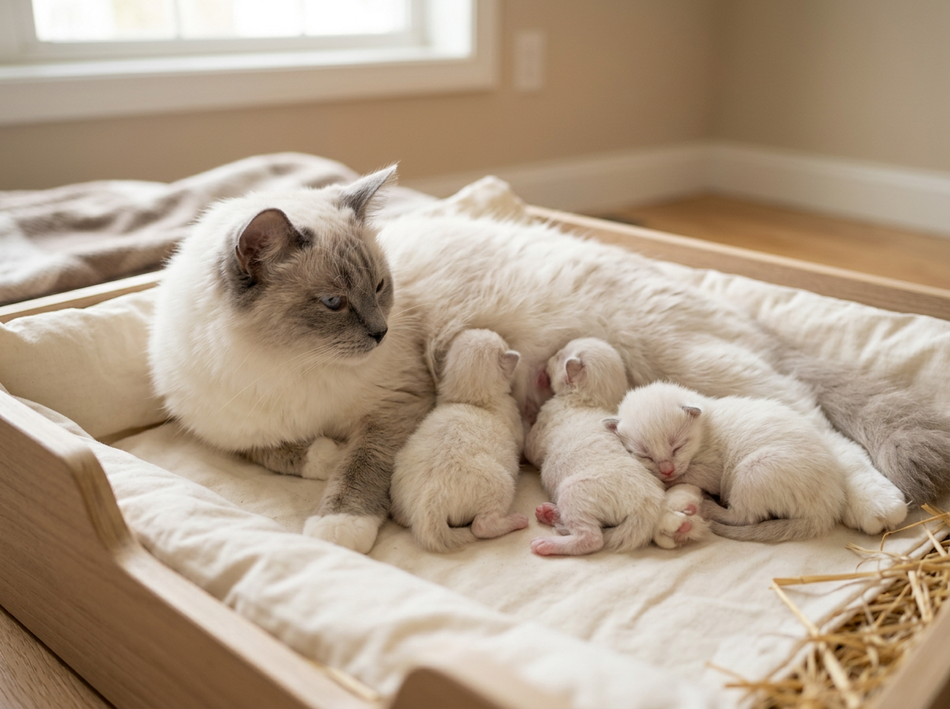
Your 1-Week-Old Kitten: Newborn Care, Feeding, Sleep & Development
Your kitten's first week of life is one of the most delicate and important stages of development. During these early days, newborn kittens are completely dependent on their mother or an experienced caregiver for nutrition, warmth, hygiene, and protection.
At this age, kittens cannot see or hear properly, cannot walk, and cannot regulate their body temperature effectively. They spend almost all their time sleeping, nursing, and staying close to their mother and littermates.
Although newborn kittens may appear inactive, their bodies are growing rapidly, and important physical and neurological development is taking place.
Understanding what is normal during the first week can help you provide a safe, comfortable environment and recognise when veterinary attention may be necessary.
This guide explains everything you need to know about caring for a 1-week-old kitten, including growth, feeding, sleep, warmth, hygiene, behaviour, and veterinary care.
This Week at a Glance
Age: Birth to 7 days
Development stage: Neonatal (newborn)
Main needs: Mother's milk, warmth, sleep, hygiene, and close monitoring
Movement: Crawling and small reflexive movements
Senses: Eyes and ear canals are closed; smell and touch are important
Feeding: Mother's milk or suitable commercial kitten milk replacer
Sleep: Most of the day, with frequent waking for nursing
Care priority: Maintain warmth, ensure effective feeding, monitor weight gain, and keep the nesting area clean
During this week, the goal is not training or play. It is supporting healthy growth and basic survival needs.
Growth & Development
A newborn kitten is extremely small, fragile, and physically immature.
During the first week, the kitten's body begins adapting to life outside the womb while its nervous system, muscles, and senses continue developing.
Eyes and Vision
Newborn kittens are born with their eyes closed.
Their eyelids remain closed during the first several days of life, protecting their developing eyes.
Most kittens begin opening their eyes at approximately 7–14 days of age, although individual timing varies.
During Week 1, you may notice:
-
Eyes remaining completely closed
-
Small facial movements
-
Responses to touch around the face
-
Movement toward the mother's body
-
Limited awareness of surrounding objects
Even when the eyes eventually begin opening, vision remains blurry for some time.
Important: Never attempt to force a kitten's eyes open. If you notice swelling, discharge, or crusting around the eyelids, contact a veterinarian promptly.
Hearing Development
Newborn kittens are also born with closed ear canals.
Their hearing is not yet fully functional.
During the first week, kittens primarily rely on smell, touch, and physical contact to navigate their immediate environment.
You may notice:
-
Small ear movements
-
Responses to touch or vibration
-
Movement toward the mother
-
Vocalisation when uncomfortable
-
Limited response to surrounding sounds
The ear canals generally begin opening during the following week, with hearing developing gradually afterward.
Movement and Coordination
At 1 week old, kittens cannot stand or walk normally.
Their muscles and coordination are still developing.
Movement is mostly limited to crawling and small reflexive actions.
You may observe:
-
Crawling toward the mother
-
Moving the head from side to side
-
Pushing with the front and hind legs
-
Searching for a nipple
-
Stretching during sleep
-
Small movements when touched
These early movements help kittens find warmth and food.
Do not encourage standing, walking, or exercise at this age.
Weight and Physical Growth
Healthy newborn kittens generally gain weight steadily during the first week.
Many kittens weigh approximately 80–120 grams at birth, although birth weight varies by breed, litter size, and individual development.
A commonly used guide is that healthy kittens may gain approximately 10–15 grams per day, but individual growth patterns vary.
Some kittens may gain more or less depending on their starting weight and health.
How to Monitor Your Kitten's Weight
Daily weighing is one of the most useful ways to monitor newborn kitten development.
Step 1: Use a digital kitchen scale that measures in grams.
Step 2: Place a clean, lightweight container on the scale and tare it to zero.
Step 3: Gently place the kitten inside the container.
Step 4: Record the weight.
Step 5: Repeat at approximately the same time each day.
Step 6: Monitor the overall weight trend.
A healthy kitten should generally show consistent weight gain.
Keep in mind: A kitten that fails to gain weight, loses weight, or becomes weak needs prompt veterinary assessment.
Feeding & Nutrition
Proper nutrition is one of the most important parts of caring for a newborn kitten.
During the first week, kittens should receive nutrition exclusively from their mother's milk or a suitable commercial kitten milk replacer when maternal nursing is not possible.
They are not ready for solid food or ordinary drinking water.
Why Mother's Milk Is Important
Mother's milk provides essential nutrients, energy, and hydration.
The first milk produced after birth, called colostrum, is especially important because it contains maternal antibodies that help provide early immune protection.
Newborn kittens benefit from receiving colostrum as soon as possible after birth.
Mother's milk also provides:
-
Protein for growth
-
Fat for energy
-
Essential vitamins and minerals
-
Water for hydration
-
Nutrients needed for organ development
-
Immune-supporting components
Whenever possible, healthy kittens should nurse naturally from their mother.
How Often Should a 1-Week-Old Kitten Feed?
Newborn kittens need frequent feeding because their stomachs are small and their energy requirements are high.
Kittens nursing from their mother usually feed frequently throughout the day and night.
The mother typically allows them to nurse as needed.
You may notice:
-
Kittens searching for nipples
-
Frequent nursing sessions
-
Small kneading movements with their paws
-
Settling after feeding
-
Sleeping close to the mother
-
Consistent daily weight gain
Rather than counting every nursing session, monitor whether the kitten is feeding effectively and growing.
What if the Mother Cannot Feed the Kitten?
If the mother is absent, unable to produce sufficient milk, or refusing to nurse, the kitten will require appropriate nutritional support.
Use a commercial kitten milk replacer recommended by a veterinarian.
Do not substitute ordinary cow's milk, plant-based milk, or homemade mixtures without veterinary direction.
How Often Should an Orphaned Newborn Kitten Be Bottle-Fed?
During the first week, orphaned kittens commonly require feeding approximately every 2–3 hours, including overnight.
The exact schedule and quantity depend on the kitten's weight, condition, and milk replacer's instructions.
A veterinarian or experienced neonatal kitten caregiver should help establish the feeding plan.
How to Bottle-Feed a Newborn Kitten
Step 1: Check the Kitten's Warmth
Make sure the kitten is appropriately warm before feeding.
Never feed a chilled kitten until it has been safely warmed under appropriate guidance.
Step 2: Prepare the Kitten Milk Replacer
Follow the manufacturer's mixing and preparation instructions.
Step 3: Use a Suitable Kitten Nursing Bottle
Choose a clean bottle and teat designed for newborn kittens.
Step 4: Position the Kitten Correctly
Place the kitten in a natural belly-down position.
Never feed a kitten while it is lying on its back.
Step 5: Allow the Kitten to Suckle Naturally
Let the kitten draw milk from the teat at a comfortable pace.
Do not squeeze milk into the mouth.
Step 6: Monitor Feeding
Watch for comfortable swallowing and normal breathing.
Step 7: Clean the Feeding Equipment
Wash and sanitise equipment according to the manufacturer's instructions after use.
Important Feeding Precautions
-
Never feed ordinary cow's milk as a substitute for kitten formula.
-
Do not feed a chilled kitten.
-
Always feed in a natural belly-down position.
-
Never force milk into the kitten's mouth.
-
Use an appropriately sized kitten nursing teat.
-
Follow the milk replacer's preparation instructions.
-
Avoid overfeeding.
-
Monitor weight gain daily.
-
Contact a veterinarian if milk comes from the nose, the kitten coughs, or swallowing appears difficult.
Incorrect feeding techniques can cause milk to enter the lungs, which may result in life-threatening aspiration pneumonia.
Signs Your Kitten Is Feeding Well
Look for:
-
Consistent weight gain
-
Regular nursing
-
A comfortably rounded abdomen after feeding
-
Warm body temperature
-
Settling and sleeping between feeds
-
Normal urination and bowel movements with stimulation
-
Healthy activity during brief waking periods
Persistent crying, poor nursing, weakness, or weight loss may indicate a problem.
Can a 1-Week-Old Kitten Eat Solid Food?
No.
A 1-week-old kitten is not developmentally ready for solid food.
Weaning generally begins around 3–4 weeks of age and continues gradually over the following weeks.
For now, mother's milk or suitable kitten milk replacer is essential.
Sleep & Rest
Sleep plays an important role in newborn kitten growth and development.
During the first week, kittens spend the overwhelming majority of their time sleeping and nursing.
Their nervous systems and bodies are developing rapidly, and frequent rest supports this process.
How Much Does a 1-Week-Old Kitten Sleep?
Newborn kittens may sleep approximately 20–22 hours per day, although individual sleep patterns vary.
They usually wake briefly to feed before returning to sleep.
You may notice:
-
Sleeping close to the mother
-
Huddling with littermates
-
Small movements during sleep
-
Gentle twitching
-
Short periods of nursing
-
Returning to sleep soon after feeding
These behaviours are generally normal.
Creating a Comfortable Sleeping Area
A newborn kitten needs a warm, quiet, clean nesting environment.
The sleeping area should include:
-
Soft, clean, dry bedding
-
Protection from drafts
-
Enough space for the mother and kittens
-
A safe source of supplementary warmth when necessary
-
A cooler area away from the heat source
-
Protection from other household animals
-
Minimal noise and disturbance
Avoid loose bedding that could cover a kitten's face or create entrapment risks.
Should a Newborn Kitten Sleep With Its Mother?
Yes.
Whenever possible, newborn kittens should remain with their mother and littermates.
The mother provides warmth, nutrition, grooming, comfort, and protection.
Unnecessary separation should be avoided.
Should You Wake a Sleeping Kitten?
Healthy kittens nursing effectively from their mother generally do not need to be awakened unnecessarily.
However, orphaned kittens require scheduled feeding, including overnight.
Follow the feeding schedule recommended by your veterinarian.
Warmth & Temperature Comfort
Newborn kittens cannot regulate their body temperature effectively.
This makes maintaining a safe nesting temperature especially important.
A kitten that becomes too cold may stop nursing, become weak, or develop serious health problems.
How Warm Should a 1-Week-Old Kitten Be Kept?
For orphaned newborn kittens, a commonly recommended environmental temperature during the first week is approximately 29–32°C (85–90°F) in the warmed portion of the nesting area.
The exact temperature should be adjusted according to the kitten's condition and veterinary guidance.
Kittens with a healthy mother may receive sufficient warmth from maternal contact, depending on the surrounding environment.
How to Keep Your Kitten Warm
-
Keep the nesting area away from drafts.
-
Use a safe, controlled heating source when necessary.
-
Warm only part of the nesting area.
-
Provide space for kittens to move away from the heat.
-
Keep bedding dry.
-
Avoid direct contact with heating pads.
-
Monitor the kittens frequently.
-
Ensure the mother can comfortably enter and leave the nest.
Never place a kitten directly against an unprotected heating device.
Signs Your Kitten May Be Too Cold
-
Persistent crying
-
Weak or reduced movement
-
Difficulty nursing
-
Cool body temperature
-
Unusual lethargy
-
Poor responsiveness
-
Separation from normal nursing behaviour
Signs Your Kitten May Be Too Warm
-
Restlessness
-
Moving away from the heat source
-
Spreading out away from littermates
-
Unusual breathing
-
Signs of discomfort
-
Excessive warmth
Important: A chilled or overheated newborn kitten needs prompt attention. Warming must be gradual and safe. Contact a veterinarian urgently if the kitten is weak, unresponsive, or unable to nurse.
Hygiene & Toileting
Newborn kittens cannot usually urinate or defecate independently.
During the first weeks of life, they rely on their mother or caregiver to stimulate toileting.
How the Mother Helps Kittens Toilet
The mother cat normally licks the kitten's genital and anal areas to encourage urination and bowel movements.
This usually occurs during grooming and around feeding.
Maternal grooming also helps keep the kittens clean.
If the mother is caring for the kittens normally, additional stimulation is generally unnecessary.
What if the Mother Is Not Present?
Orphaned kittens need gentle assistance with toileting.
How to Help a Newborn Kitten Urinate and Defecate
Step 1: Prepare a soft cotton pad or cloth moistened with warm water.
Step 2: Support the kitten securely in a natural belly-down position.
Step 3: Gently stroke the genital and anal areas.
Step 4: Allow the kitten time to urinate or pass stool.
Step 5: Clean the area carefully.
Step 6: Dry the kitten immediately.
Repeat as advised by your veterinarian, commonly around feeding times.
Important Toileting Precautions
-
Use gentle movements.
-
Avoid rubbing aggressively.
-
Keep the kitten warm.
-
Clean and dry the skin afterward.
-
Monitor urine and stool output.
-
Do not use scented wipes or harsh chemicals.
-
Contact a veterinarian if the kitten cannot urinate or appears uncomfortable.
Keeping the Nesting Area Clean
Good hygiene is essential for newborn kittens.
During Week 1:
-
Replace wet or soiled bedding promptly.
-
Keep the sleeping area dry.
-
Wash your hands before handling kittens.
-
Clean feeding equipment thoroughly.
-
Avoid strong cleaning chemicals.
-
Check kittens for urine or faecal contamination.
-
Keep the mother's nesting environment comfortable.
-
Minimise unnecessary handling.
Can You Bathe a 1-Week-Old Kitten?
Routine bathing is not recommended.
Newborn kittens lose body heat easily, and becoming chilled can be dangerous.
If cleaning is necessary, gently wipe the affected area with a warm, damp cloth and dry the kitten immediately.
Avoid full-body bathing unless specifically directed by a veterinarian.
Behaviour & Early Bonding
During the first week, kittens are not ready for formal training, play sessions, or structured socialisation.
Their behaviour is primarily driven by basic needs such as warmth, feeding, comfort, and physical contact.
What Behaviour Is Normal at 1 Week?
You may notice:
-
Crawling toward the mother
-
Searching for nipples
-
Kneading during nursing
-
Sleeping close to littermates
-
Making small squeaking sounds
-
Moving in response to touch
-
Stretching during sleep
-
Crying when hungry, cold, or uncomfortable
These behaviours are typical of early neonatal development.
Why Do Newborn Kittens Cry?
Crying is one of the main ways newborn kittens communicate discomfort.
Possible reasons include:
-
Hunger
-
Cold temperatures
-
Separation from the mother
-
Difficulty nursing
-
Physical discomfort
-
Illness
-
Problems with toileting
Occasional vocalisation may be normal.
However, persistent crying, particularly with weakness or poor feeding, requires veterinary attention.
Gentle Human Handling
Brief, careful handling may be necessary for weighing, cleaning, or health checks.
However, excessive handling should be avoided.
Safe Handling Practices
-
Wash your hands before touching the kitten.
-
Support the entire body.
-
Keep handling sessions brief.
-
Maintain a warm environment.
-
Avoid unnecessary separation from the mother.
-
Handle the kitten gently.
-
Return the kitten promptly to the nesting area.
-
Stop if the mother becomes distressed.
Can You Start Training a 1-Week-Old Kitten?
No.
Newborn kittens are not developmentally ready for commands, litter training, or structured behaviour training.
Their senses, muscles, and nervous systems are still developing.
For now, focus on:
-
Safe handling
-
Proper nutrition
-
Warmth
-
Sleep
-
Cleanliness
-
Health monitoring
-
Maternal contact
Training and more active socialisation will become appropriate later.
Health & Veterinary Care
Newborn kittens are particularly vulnerable to illness because their immune systems and body functions are still developing.
Even small changes in feeding, temperature, or activity may be important.
Daily Health Checks
Observe your kitten for:
-
Consistent weight gain
-
Effective nursing
-
Warm body temperature
-
Comfortable breathing
-
Normal movement during waking periods
-
Clean eyes and nose
-
Healthy-looking skin
-
Normal urination and bowel movements
-
Comfortable sleep
-
Normal interaction with the mother
Umbilical Cord Care
Newborn kittens are born with an umbilical cord stump.
The stump normally dries and separates naturally during the first several days of life.
How to Care for the Umbilical Area
-
Keep the area clean and dry.
-
Avoid pulling the stump.
-
Do not apply products without veterinary guidance.
-
Check for swelling.
-
Watch for redness or discharge.
-
Avoid unnecessary handling of the area.
Contact a veterinarian if the umbilical area becomes swollen, produces discharge, smells unpleasant, or appears painful.
Monitoring for Dehydration
Newborn kittens can become dehydrated quickly.
Possible warning signs include:
-
Poor nursing
-
Weakness
-
Unusual lethargy
-
Dry or tacky mouth
-
Reduced urination
-
Weight loss
-
Poor responsiveness
Signs of dehydration can be difficult to assess accurately in newborn kittens.
If dehydration is suspected, seek veterinary attention promptly.
Flea and Parasite Prevention
Fleas can be especially dangerous for newborn kittens because severe infestations may cause significant blood loss and anaemia.
However, many flea treatments are not approved for very young kittens.
Never use adult cat flea products or dog flea treatments on newborn kittens.
Consult a veterinarian for age-appropriate parasite management.
When Do Kittens Need Their First Vaccinations?
Routine kitten vaccinations generally begin at approximately 6–8 weeks of age, depending on local veterinary recommendations and disease risks.
A 1-week-old kitten is too young for routine core vaccinations.
For now:
-
Maintain a clean environment.
-
Limit exposure to unfamiliar animals.
-
Practise good hygiene.
-
Monitor the mother and kittens.
-
Discuss preventive care with a veterinarian.
Signs That Need Prompt Veterinary Attention
Contact a veterinarian urgently if your kitten shows:
-
Refusal or inability to nurse
-
Weight loss or failure to gain weight
-
Persistent crying
-
Severe weakness
-
Difficulty breathing
-
Coughing or milk coming from the nose during feeding
-
Persistent diarrhoea
-
Vomiting
-
Significant abdominal swelling
-
Unusual coldness or overheating
-
Severe lethargy
-
Pale gums
-
Eye swelling or discharge
-
Umbilical swelling or discharge
-
Inability to urinate
-
Seizures or abnormal movements
-
Unresponsiveness
Newborn kittens can deteriorate rapidly, so do not delay veterinary care when warning signs appear.
Frequently Asked Questions
Can a 1-week-old kitten see?
No. Most kittens are born with their eyes closed and begin opening them at approximately 7–14 days of age. Vision remains immature even after the eyes open.
Can a 1-week-old kitten hear?
Not normally in the same way as an older kitten. Newborn kittens have closed ear canals, and hearing develops gradually over the following weeks.
How often should a 1-week-old kitten eat?
Kittens nursing from their mother feed frequently throughout the day and night. Orphaned kittens commonly require bottle-feeding every 2–3 hours, including overnight, following veterinary guidance.
Can a 1-week-old kitten drink water?
Newborn kittens receive hydration through their mother's milk or properly prepared kitten milk replacer. They should not be given water as a replacement for milk.
Can a 1-week-old kitten walk?
No. Kittens at this age can crawl and make small movements, but standing and walking develop later.
How much should a 1-week-old kitten weigh?
Many kittens weigh approximately 80–120 grams at birth, although this varies. Consistent daily weight gain is more important than a single target weight.
How much does a 1-week-old kitten sleep?
Newborn kittens may sleep approximately 20–22 hours per day, waking mainly to nurse. Individual sleep patterns vary.
Can I hold a 1-week-old kitten?
Yes, brief and gentle handling may be appropriate for necessary care and health checks. Always support the kitten's body, maintain warmth, and avoid unnecessary separation from the mother.
Can a 1-week-old kitten eat wet food?
No. A newborn kitten should receive only mother's milk or suitable kitten milk replacer. Weaning usually begins around 3–4 weeks of age.
Why does my 1-week-old kitten cry?
A kitten may cry because of hunger, cold, separation, discomfort, or illness. Persistent crying requires prompt attention, particularly if the kitten is weak or not feeding.
Can a 1-week-old kitten urinate independently?
Usually not. Newborn kittens generally require stimulation from their mother or caregiver to urinate and defecate.
Can I give a 1-week-old kitten a bath?
Routine bathing is not recommended because newborn kittens can become chilled quickly. Use a warm, damp cloth for necessary spot cleaning and dry the kitten immediately.
What should I feed an orphaned 1-week-old kitten?
Use a commercial kitten milk replacer recommended by a veterinarian. Do not use ordinary cow's milk or homemade substitutes without veterinary direction.
Should a 1-week-old kitten stay with its mother?
Yes. Whenever possible, newborn kittens should remain with their mother because she provides nutrition, warmth, grooming, comfort, and protection.
When should a newborn kitten see a veterinarian?
A veterinary assessment is recommended if the kitten is orphaned, has feeding difficulties, fails to gain weight, or shows signs of illness. A veterinarian can also advise on routine newborn care and future preventive treatment.
What Comes Next? Week 2
During Week 2, your kitten will continue growing rapidly, and some important sensory changes may begin.
You may start to notice:
-
Eyes beginning to open
-
Greater awareness of touch
-
Ear canals beginning to open
-
Stronger crawling movements
-
Improved head control
-
More active searching for milk
-
Continued steady weight gain
-
Increased movement within the nesting area
-
Greater responsiveness to the mother and littermates
Although these changes are exciting, kittens remain highly dependent on their mother or caregiver.
Next guide: Your 2-Week-Old Kitten – Eye Opening, Feeding, Sleep & Early Development.
Remember that every kitten develops at its own pace. Breed, birth weight, litter size, nutrition, and overall health can influence early developmental milestones.
If you have concerns about your kitten's growth, feeding, warmth, or behaviour, consult a qualified veterinarian.
Yaabu provides general educational guidance. For concerns about a newborn puppy or kitten, seek prompt advice from a veterinarian.