
Your 2-Week-Old Kitten: Tiny Eyes, Big Discoveries!
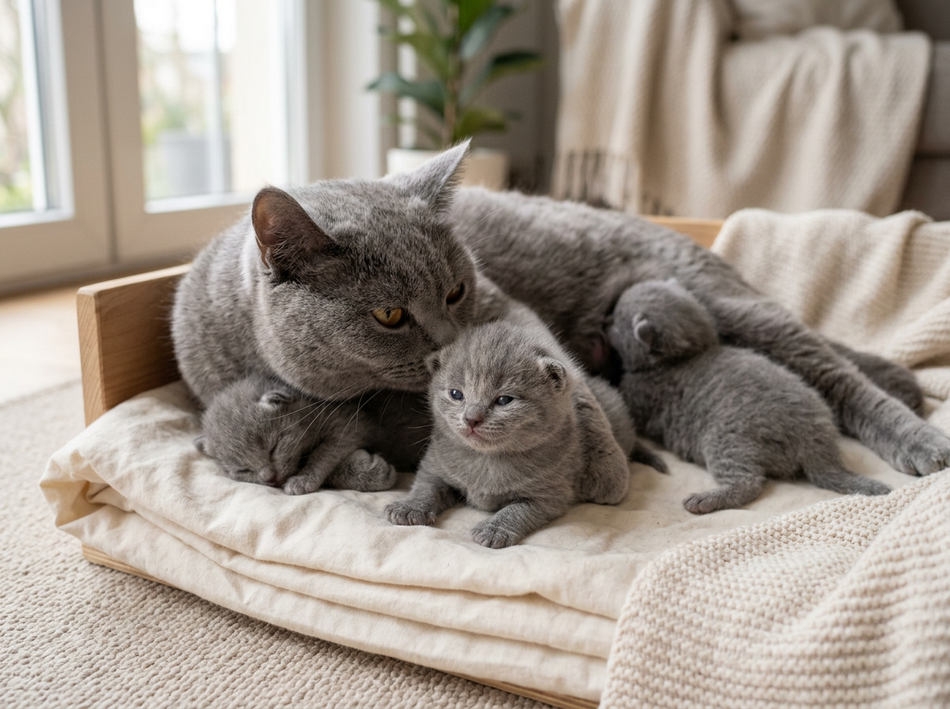
Your 2-Week-Old Kitten: First Glimpses, Growing Senses & Essential Newborn Care
Your kitten's second week of life is an exciting stage of early development. After spending the first week relying almost entirely on touch, smell, warmth, and maternal care, your kitten may now begin experiencing some of its first important sensory changes.
During Week 2, a kitten's eyes may gradually start opening, the ear canals begin developing, and movements become slightly stronger and more coordinated.
Although these changes are exciting, a 2-week-old kitten is still a newborn and remains completely dependent on its mother or an experienced caregiver for nutrition, warmth, hygiene, and protection.
At this age, kittens are not ready for solid food, independent toileting, active play, or formal training. Their main activities continue to be nursing, sleeping, growing, and staying close to their mother and littermates.
Understanding these early milestones can help you recognise normal development, provide appropriate care, and identify warning signs that require veterinary attention.
This guide explains everything you need to know about caring for a 2-week-old kitten, including eye opening, hearing development, feeding, sleep, warmth, hygiene, behaviour, and veterinary care.
This Week at a Glance
Age: 8–14 days
Development stage: Neonatal (newborn)
Main needs: Mother's milk, warmth, sleep, hygiene, and close monitoring
Movement: Stronger crawling, small head movements, and early attempts to support the body
Senses: Eyes may begin opening; ear canals start opening, but hearing and vision remain immature
Feeding: Mother's milk or suitable commercial kitten milk replacer
Sleep: Most of the day, with frequent waking for nursing
Care priority: Monitor eye development, maintain warmth, ensure effective feeding, and track daily weight gain
During Week 2, your kitten is beginning to become more aware of its surroundings, but its primary needs remain the same as during the first week.
Growth & Development
A 2-week-old kitten is still physically fragile, but several important developmental changes may become noticeable.
The eyes may begin opening, the ears start developing, and crawling movements gradually become stronger.
However, these changes occur at different rates, and kittens from the same litter may reach milestones on different days.
Eyes and Vision
One of the most noticeable developments during Week 2 is the gradual opening of the eyes.
Most kittens begin opening their eyes at approximately 7–14 days of age.
Some kittens may open one eye before the other, and the process may take several days.
During this stage, you may notice:
-
Eyelids beginning to separate
-
One eye opening before the other
-
Partially opened eyes
-
Increased responses to changes in light
-
Small eye movements
-
Greater awareness of nearby movement
Even after the eyes open, a kitten's vision remains blurry and immature.
What Colour Are a 2-Week-Old Kitten's Eyes?
Most kittens initially have blue or bluish-grey eyes.
This early eye colour is not necessarily permanent.
As kittens mature, pigmentation may change, and their adult eye colour develops gradually over the following weeks and months.
How to Care for Your Kitten's Eyes
-
Keep the nesting area clean.
-
Avoid bright lights shining directly into the eyes.
-
Never force the eyelids open.
-
Do not apply eye drops without veterinary guidance.
-
Watch for swelling or discharge.
-
Avoid touching the eyes unnecessarily.
-
Seek veterinary advice if the eyelids appear inflamed.
Important: If your kitten's eyes remain closed at the end of Week 2, this does not always indicate a problem. However, consult a veterinarian if the eyes have not started opening by around 14 days, or sooner if there is swelling, redness, discharge, or discomfort.
Hearing Development
During Week 2, the ear canals may begin opening.
However, hearing is still developing and is not yet comparable to that of an older kitten.
You may notice:
-
Ears becoming more upright
-
Small ear movements
-
Gradual responses to nearby sounds
-
Increased awareness of vibrations
-
Head movements toward familiar activity
-
Greater responsiveness to the mother
A kitten's hearing will continue developing over the coming weeks.
Avoid testing hearing with loud noises or sudden sounds.
Movement and Coordination
At 2 weeks old, kittens are becoming slightly stronger but are not yet able to walk normally.
Their movements are still unsteady and primarily involve crawling.
You may observe:
-
Stronger crawling movements
-
More frequent head lifting
-
Pushing with the front legs
-
Small attempts to support the body
-
Turning toward the mother
-
Stretching during sleep
-
Increased movement around the nesting area
These movements help strengthen developing muscles and improve coordination.
Can a 2-Week-Old Kitten Walk?
Not properly.
Most kittens begin making more noticeable attempts to stand and walk during the following weeks.
At this stage, crawling remains the primary form of movement.
Do not force your kitten to stand or walk.
Weight and Physical Growth
Healthy kittens should continue gaining weight consistently during Week 2.
Many kittens weigh approximately 180–300 grams around this age, although individual weights vary significantly depending on birth weight, breed, nutrition, and overall health.
A commonly used guide is a weight gain of approximately 10–15 grams per day, but some healthy kittens gain more or less.
The most important indicator is a consistent upward weight trend.
How to Monitor Your Kitten's Weight
Step 1: Use a digital scale that measures in grams.
Step 2: Place a clean container on the scale and reset it to zero.
Step 3: Gently place the kitten inside.
Step 4: Record the weight.
Step 5: Repeat at approximately the same time each day.
Step 6: Compare the results with previous measurements.
Signs of Healthy Growth
Look for:
-
Consistent daily weight gain
-
Stronger crawling movements
-
Effective nursing
-
Comfortable sleep
-
Warm body temperature
-
Gradual eye opening
-
Normal toileting with stimulation
-
Increasing strength during brief waking periods
Keep in mind: Weight loss, repeated failure to gain weight, weakness, or poor feeding requires prompt veterinary assessment.
Feeding & Nutrition
Proper nutrition remains one of the most important aspects of caring for a 2-week-old kitten.
At this age, kittens still depend entirely on their mother's milk or a suitable commercial kitten milk replacer.
Their digestive systems are not ready for solid food.
Why Mother's Milk Remains Essential
Mother's milk provides the nutrients, energy, and hydration required for healthy development.
It supports:
-
Muscle growth
-
Organ development
-
Healthy weight gain
-
Energy requirements
-
Immune protection
-
Hydration
-
Overall physical development
Whenever possible, kittens should continue nursing naturally from their mother.
How Often Should a 2-Week-Old Kitten Feed?
Kittens nursing from their mother generally feed frequently throughout the day and night.
The mother usually allows nursing according to the kittens' needs.
You may notice:
-
Frequent nursing sessions
-
Kneading movements while feeding
-
Searching for nipples
-
Settling after nursing
-
Sleeping between feeds
-
Gradual weight gain
Rather than relying only on feeding frequency, monitor the kitten's growth and behaviour.
What if the Mother Cannot Feed the Kitten?
If the mother is absent, unable to produce enough milk, or refusing to nurse, the kitten will need an appropriate commercial kitten milk replacer.
Consult a veterinarian for advice on feeding quantity, preparation, and frequency.
How Often Should an Orphaned 2-Week-Old Kitten Be Bottle-Fed?
Orphaned kittens at this age commonly require feeding approximately every 3–4 hours, including overnight.
However, the exact schedule depends on:
-
Body weight
-
Health condition
-
Growth rate
-
Milk replacer instructions
-
Veterinary recommendations
-
Whether the kitten is premature or underweight
Do not extend feeding intervals solely because a kitten has reached two weeks of age.
How to Bottle-Feed a 2-Week-Old Kitten
Step 1: Check the Kitten's Temperature
Ensure the kitten is appropriately warm before feeding.
Never feed a chilled kitten.
Step 2: Prepare the Milk Replacer
Follow the manufacturer's mixing instructions carefully.
Step 3: Use a Suitable Nursing Bottle
Choose a clean bottle and teat designed for kittens.
Step 4: Position the Kitten Naturally
Place the kitten belly-down with its head in a comfortable position.
Never bottle-feed a kitten while it is lying on its back.
Step 5: Allow Natural Suckling
Let the kitten draw milk at its own pace.
Never squeeze milk forcefully into the mouth.
Step 6: Monitor Feeding
Watch for normal swallowing and comfortable breathing.
Step 7: Clean the Equipment
Wash and sanitise feeding equipment according to the manufacturer's instructions.
Important Feeding Precautions
-
Never use ordinary cow's milk as a substitute for kitten formula.
-
Do not feed a chilled kitten.
-
Always feed in a natural belly-down position.
-
Never force milk into the mouth.
-
Use a suitable kitten nursing teat.
-
Follow the milk replacer's instructions.
-
Avoid overfeeding.
-
Monitor daily weight gain.
-
Seek veterinary help if milk comes from the nose or the kitten coughs during feeding.
Incorrect feeding techniques can cause milk to enter the lungs, potentially leading to aspiration pneumonia.
Signs Your Kitten Is Feeding Well
Look for:
-
Steady weight gain
-
Regular nursing
-
A comfortably rounded abdomen after feeding
-
Warm body temperature
-
Calm sleep between feeds
-
Normal urination and bowel movements
-
Increasing strength during waking periods
Can a 2-Week-Old Kitten Eat Wet Food?
No.
A 2-week-old kitten is not ready for wet food, dry food, or other solid foods.
Weaning generally begins at approximately 3–4 weeks of age and continues gradually.
For now, milk remains the only appropriate source of nutrition.
Sleep & Rest
Sleep continues to play a major role in your kitten's development.
At 2 weeks old, kittens still spend most of the day sleeping and nursing.
Their nervous systems, muscles, and organs are developing rapidly, and rest supports these processes.
How Much Does a 2-Week-Old Kitten Sleep?
Kittens at this age may sleep approximately 18–22 hours per day, although sleep patterns vary.
They generally wake briefly to feed and then return to sleep.
You may notice:
-
Sleeping beside the mother
-
Huddling with littermates
-
Gentle twitching during sleep
-
Stretching
-
Small head movements
-
Short waking periods
-
Returning to sleep after feeding
Creating a Comfortable Sleeping Area
The nesting area should remain warm, quiet, clean, and protected from drafts.
A suitable environment includes:
-
Soft, dry bedding
-
A quiet location
-
Protection from direct drafts
-
Safe supplementary warmth when necessary
-
Space to move away from a heat source
-
Enough room for the mother and kittens
-
Minimal disturbance
-
Protection from other household pets
Avoid loose bedding that may cover a kitten's face.
Should a 2-Week-Old Kitten Sleep With Its Mother?
Yes.
Whenever possible, kittens should remain with their mother and littermates.
Maternal contact provides:
-
Warmth
-
Nutrition
-
Grooming
-
Comfort
-
Protection
-
Early social contact
Unnecessary separation should be avoided.
Should You Wake a Sleeping Kitten for Feeding?
Healthy kittens nursing effectively from their mother generally feed according to their needs.
However, orphaned kittens require scheduled feeding, including overnight.
Follow the feeding plan recommended by your veterinarian.
Warmth & Temperature Comfort
Although a 2-week-old kitten is developing rapidly, it still cannot regulate body temperature effectively.
Maintaining a suitable nesting environment remains essential.
How Warm Should a 2-Week-Old Kitten Be Kept?
For orphaned kittens during the second week, a commonly recommended environmental temperature is approximately 27–29°C (80–85°F) in the warmed portion of the nesting area.
The appropriate temperature depends on the kitten's health, the presence of the mother, and veterinary guidance.
The nesting area should include a cooler section so kittens can move away from the heat.
How to Keep Your Kitten Warm
-
Keep the nesting area away from drafts.
-
Use a controlled heating source when necessary.
-
Warm only part of the sleeping area.
-
Protect kittens from direct contact with heating devices.
-
Keep bedding dry.
-
Monitor the temperature regularly.
-
Provide enough space to move away from heat.
-
Ensure the mother can comfortably enter and leave.
Signs Your Kitten May Be Too Cold
-
Persistent crying
-
Weak movement
-
Difficulty nursing
-
Unusual lethargy
-
Cool body temperature
-
Poor responsiveness
-
Reduced activity during waking periods
Signs Your Kitten May Be Too Warm
-
Restlessness
-
Moving away from the heat source
-
Spreading away from littermates
-
Unusual breathing
-
Signs of discomfort
-
Excessive warmth
Important: Never place a kitten directly on an uncovered heating pad or against a hot water bottle. If a kitten becomes chilled, weak, or unresponsive, seek urgent veterinary guidance.
Hygiene & Toileting
At 2 weeks old, kittens are generally still unable to urinate or defecate independently.
They depend on their mother or caregiver for stimulation.
How the Mother Helps With Toileting
The mother cat normally licks the genital and anal areas to stimulate urination and bowel movements.
This behaviour also helps keep the kittens clean.
If the mother is caring for the kittens normally, additional stimulation is usually unnecessary.
What if the Mother Is Not Present?
Orphaned kittens require gentle toileting assistance.
How to Help a 2-Week-Old Kitten Toilet
Step 1: Prepare a soft cotton pad or cloth moistened with warm water.
Step 2: Hold the kitten securely in a natural belly-down position.
Step 3: Gently stroke the genital and anal areas.
Step 4: Allow time for urination or a bowel movement.
Step 5: Clean the area carefully.
Step 6: Dry the kitten immediately.
Repeat according to veterinary guidance, commonly around feeding times.
Important Toileting Precautions
-
Use gentle movements.
-
Avoid rubbing aggressively.
-
Keep the kitten warm.
-
Clean and dry the skin afterward.
-
Monitor urine and stool output.
-
Avoid scented wipes.
-
Do not use harsh cleaning products.
-
Seek veterinary advice if the kitten cannot urinate or appears uncomfortable.
Keeping the Nesting Area Clean
Good hygiene helps protect newborn kittens from infection and skin irritation.
During Week 2:
-
Replace soiled bedding promptly.
-
Keep the sleeping area dry.
-
Wash your hands before handling kittens.
-
Clean nursing equipment thoroughly.
-
Check kittens for urine or faecal contamination.
-
Avoid strong chemical cleaners.
-
Keep the mother's resting area comfortable.
-
Minimise unnecessary handling.
Can You Bathe a 2-Week-Old Kitten?
Routine bathing is not recommended.
Young kittens lose body heat easily, and bathing may cause dangerous chilling.
If cleaning is necessary, gently wipe the affected area with a warm, damp cloth and dry the kitten immediately.
Avoid full-body bathing unless directed by a veterinarian.
Behaviour & Early Bonding
During Week 2, kittens may begin showing slightly greater awareness of their surroundings.
However, they remain too young for formal training, structured play, or independent exploration.
Their behaviour is still mainly driven by feeding, warmth, comfort, and physical contact.
What Behaviour Is Normal at 2 Weeks?
You may notice:
-
Stronger crawling
-
More frequent head lifting
-
Searching for the mother
-
Kneading during nursing
-
Sleeping close to littermates
-
Small squeaking sounds
-
Responding to touch
-
Increased movement during waking periods
-
Gradual awareness of nearby activity
These behaviours reflect normal early development.
Why Does a 2-Week-Old Kitten Cry?
Crying is an important form of communication for newborn kittens.
Possible reasons include:
-
Hunger
-
Cold temperatures
-
Separation from the mother
-
Difficulty nursing
-
Physical discomfort
-
Problems with toileting
-
Illness
Occasional vocalisation may be normal.
However, persistent crying should not be ignored.
Gentle Human Handling
Brief, careful handling can help kittens become familiar with human contact while allowing necessary health checks.
However, handling should remain gentle and limited.
Safe Handling Practices
-
Wash your hands before touching the kitten.
-
Support the entire body.
-
Keep handling sessions short.
-
Maintain warmth.
-
Avoid unnecessary separation from the mother.
-
Handle the kitten gently.
-
Return the kitten promptly to the nest.
-
Observe the mother's response.
If the mother becomes distressed, reduce unnecessary handling.
Can You Start Training a 2-Week-Old Kitten?
No.
A 2-week-old kitten is not developmentally ready for commands, litter training, or structured behaviour training.
For now, focus on:
-
Gentle handling
-
Safe maternal contact
-
Proper nutrition
-
Warmth
-
Sleep
-
Hygiene
-
Health monitoring
-
A calm environment
More active socialisation and early learning will become appropriate as the kitten matures.
Health & Veterinary Care
Two-week-old kittens remain vulnerable to illness because their immune systems and body functions are still developing.
Even small changes in feeding, temperature, or activity may be important.
Daily Health Checks
Observe your kitten for:
-
Consistent weight gain
-
Effective nursing
-
Warm body temperature
-
Comfortable breathing
-
Normal movement during waking periods
-
Healthy-looking skin
-
Gradual eye opening
-
Normal urination and bowel movements
-
Comfortable sleep
-
Normal interaction with the mother
Eye Health During Week 2
As the eyes begin opening, it is important to monitor them carefully.
Healthy developing eyes should not show significant swelling, redness, or discharge.
Signs of Possible Eye Problems
Contact a veterinarian if you notice:
-
Swollen eyelids
-
Thick discharge
-
Yellow or green discharge
-
Crusting around the eyes
-
Redness
-
Apparent pain
-
One or both eyes bulging
-
Persistent difficulty opening the eyes
Do not force the eyes open or apply human eye medications.
Monitoring for Dehydration
Young kittens can become dehydrated quickly.
Possible warning signs include:
-
Poor nursing
-
Weakness
-
Unusual lethargy
-
Dry or tacky mouth
-
Reduced urination
-
Weight loss
-
Poor responsiveness
If dehydration is suspected, seek veterinary attention promptly.
Flea and Parasite Prevention
Fleas can be particularly dangerous for young kittens because heavy infestations may cause anaemia.
Many flea treatments are not approved for kittens this young.
Never apply adult cat flea products or dog flea treatments without veterinary guidance.
A veterinarian can recommend safe parasite management.
When Should Kittens Be Dewormed?
Veterinary deworming schedules vary according to region, parasite risk, and the kitten's health.
Some veterinary protocols begin deworming at approximately 2 weeks of age, followed by repeat treatments at recommended intervals.
However, medication choice and dosage must be determined by a veterinarian based on the kitten's age and weight.
Never administer over-the-counter deworming products without professional guidance.
When Do Kittens Receive Their First Vaccinations?
Routine kitten vaccinations generally begin around 6–8 weeks of age, depending on local recommendations and individual risk.
A 2-week-old kitten is still too young for routine core vaccinations.
For now:
-
Maintain a clean environment.
-
Limit exposure to unfamiliar animals.
-
Practise good hygiene.
-
Monitor growth and feeding.
-
Discuss preventive care with a veterinarian.
Signs That Need Prompt Veterinary Attention
Contact a veterinarian urgently if your kitten shows:
-
Refusal or inability to nurse
-
Weight loss or failure to gain weight
-
Persistent crying
-
Severe weakness
-
Difficulty breathing
-
Milk coming from the nose during feeding
-
Persistent diarrhoea
-
Vomiting
-
Significant abdominal swelling
-
Unusual coldness or overheating
-
Severe lethargy
-
Pale gums
-
Eye swelling or discharge
-
Inability to urinate
-
Seizures or abnormal movements
-
Unresponsiveness
Newborn kittens can deteriorate rapidly, so early veterinary care is important.
Frequently Asked Questions
Can a 2-week-old kitten see?
A 2-week-old kitten may have partially or fully opened eyes, but vision is still immature and blurry. Visual development continues over the following weeks.
When do kittens open their eyes?
Most kittens begin opening their eyes at approximately 7–14 days of age. The timing varies between individuals.
Can a 2-week-old kitten hear?
Hearing begins developing as the ear canals open, but a 2-week-old kitten's hearing is still immature.
Can a 2-week-old kitten walk?
Not properly. Kittens at this age mainly crawl and may begin making early attempts to support their bodies.
How often should a 2-week-old kitten eat?
Kittens nursing from their mother feed frequently. Orphaned kittens commonly require feeding approximately every 3–4 hours, including overnight, depending on their condition and veterinary guidance.
Can a 2-week-old kitten drink water?
Kittens at this age receive hydration through their mother's milk or suitable kitten milk replacer. They are not ready to drink water independently.
Can a 2-week-old kitten eat wet food?
No. Solid food introduction generally begins around 3–4 weeks of age. A 2-week-old kitten should continue receiving milk.
How much should a 2-week-old kitten weigh?
Many kittens weigh approximately 180–300 grams around this age, although weight varies. Consistent daily weight gain is more important than a single number.
How much does a 2-week-old kitten sleep?
Kittens at this age may sleep approximately 18–22 hours per day, waking mainly for nursing.
Can I hold a 2-week-old kitten?
Yes. Brief, gentle handling may be appropriate for necessary care and health checks. Always support the body and maintain warmth.
Why is my 2-week-old kitten crying?
Possible reasons include hunger, cold, separation, discomfort, or illness. Persistent crying requires prompt attention.
Can a 2-week-old kitten urinate independently?
Usually not. Kittens generally continue relying on their mother or caregiver for toileting stimulation until approximately 3–4 weeks of age.
Can I bathe a 2-week-old kitten?
Routine bathing is not recommended because young kittens lose body heat easily. Use gentle spot cleaning when necessary and dry the kitten immediately.
Can a 2-week-old kitten play with toys?
Not in the same way as an older kitten. At this age, movement and sensory development are still limited, and structured play is not appropriate.
Should a 2-week-old kitten stay with its mother?
Yes. Whenever possible, kittens should remain with their mother and littermates for nutrition, warmth, grooming, comfort, and early development.
What should I do if my kitten's eyes are not opening?
If the eyes have not started opening by around 14 days, consult a veterinarian. Seek attention sooner if swelling, redness, discharge, or discomfort develops.
Can a 2-week-old kitten be dewormed?
Some veterinary protocols begin deworming at approximately 2 weeks of age. However, treatment should only be given under veterinary guidance using an appropriate product and dose.
When should a 2-week-old kitten see a veterinarian?
Seek veterinary care if the kitten is orphaned, feeding poorly, failing to gain weight, or showing signs of illness. A veterinarian can also advise on routine newborn care and parasite prevention.
What Comes Next? Week 3
During Week 3, your kitten will continue developing important sensory and physical abilities.
You may begin noticing:
-
Eyes becoming more fully open
-
Gradually improving vision
-
Better responses to sound
-
Stronger head control
-
Early attempts to stand
-
More coordinated crawling
-
Increased awareness of littermates
-
Early exploratory behaviour
-
Continued steady weight gain
-
The beginning of more independent movement
Although your kitten will become increasingly active, it will still require close maternal or caregiver support.
Next guide: Your 3-Week-Old Kitten – First Steps, Sharper Senses & Early Exploration.
Remember that every kitten develops at its own pace. Breed, birth weight, nutrition, litter size, and overall health can influence developmental milestones.
If you have concerns about your kitten's growth, feeding, eye development, warmth, or behaviour, consult a qualified veterinarian.
Yaabu provides general educational guidance. For concerns about a newborn puppy or kitten, seek prompt advice from a veterinarian.